Why Women and Weights Are a Healthy Fit: Breaking Myths and Building Strength
For decades, fitness narratives directed women toward low-intensity cardio, lightweight resistance tools, and endless repetition routines aimed primarily at shrinking body size. The underlying fear was simple yet persistent: lifting heavy weights would cause women to build bulky, masculine physiques. Today, modern exercise science and biomechanics have thoroughly debunked this misconception.
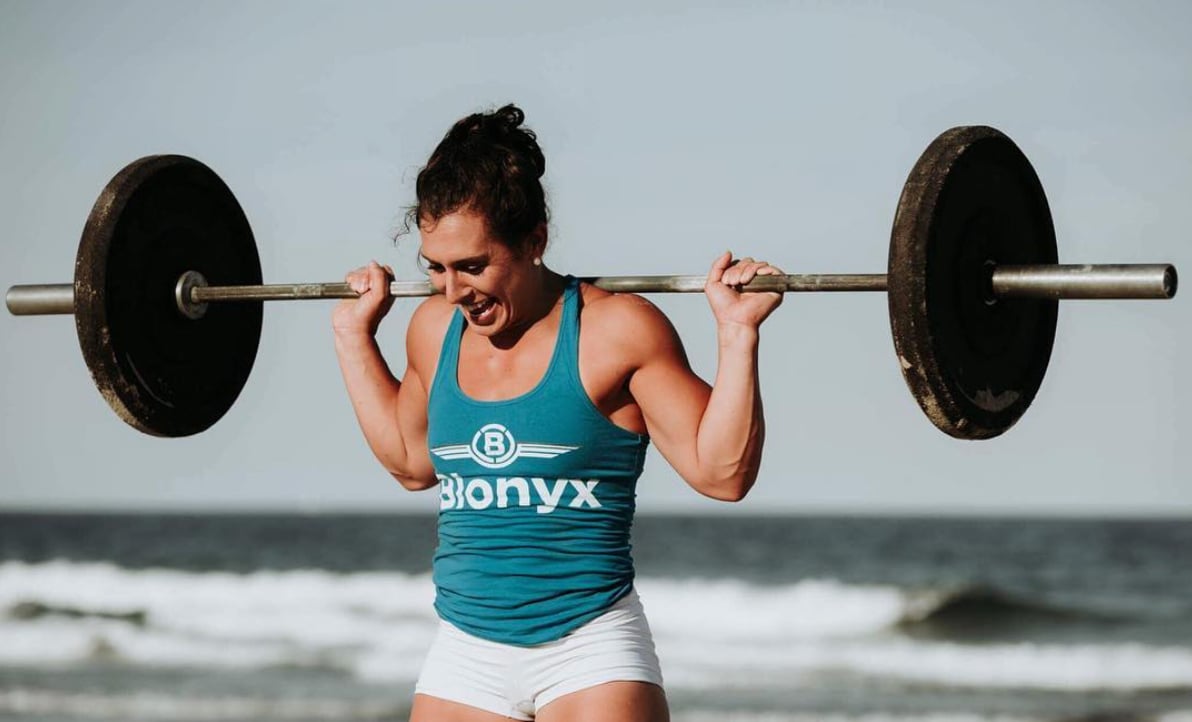
Strength training is now recognized as one of the most transformative, protective, and empowering physical practices available to women at every stage of life. Far from creating unwanted bulk, progressive resistance training shapes lean muscle, optimizes hormonal balance, protects long-term bone structure, and enhances overall mental resilience. Understanding the biological and functional reasons behind this dynamic makes it clear why women and weights are an ideal fit.
The Hormonal Reality: Why Lifting Heavy Will Not Make Women Bulky
The common apprehension regarding female muscle hypertrophy stems from a fundamental misunderstanding of human endocrinology. Muscle hypertrophy—the biological process of building substantial muscle size—is heavily dependent on circulating testosterone levels.
On average, men possess significantly higher baseline testosterone levels than women. Women do experience natural muscle building through resistance training, but the physiological response yields increased muscle density, improved muscle tone, and enhanced functional strength rather than massive volume. The dense, sculpted physical appearance achieved through lifting comes from developing lean muscle mass while simultaneously reducing body fat percentage, resulting in a leaner and more defined physique.
1. Preserving and Enhancing Bone Mineral Density
Osteoporosis and osteopenia disproportionately affect women, particularly as estrogen levels naturally decline during peri-menopause and menopause. Estrogen plays a critical role in maintaining bone density; as its production decreases, bone resorption speeds up, leaving bones brittle and prone to fractures.
Weight training provides a powerful mechanical stimulus that counteracts this decline:
- Osteoblast Activation: When muscles pull against bone tissue during compound resistance exercises, the physical strain signals osteoblasts—cells responsible for bone formation—to deposit new bone tissue.
- Structural Reinforcement: High-impact load-bearing movements like deadlifts, squats, and overhead presses strengthen vulnerable high-risk areas, particularly the femoral neck of the hip, the wrist, and the lumbar spine.
- Fracture Prevention: By increasing both skeletal strength and surrounding muscular support, women build a protective framework that significantly reduces the risk of dangerous falls and injuries later in life.
2. Metabolic Optimization and Fat Loss Beyond Cardio
While traditional steady-state cardio burns calories exclusively during the activity itself, resistance training completely transforms how the body utilizes and manages energy over a 24-hour cycle.
Lifting weights builds lean muscle tissue, which is metabolically active and requires continuous energy to maintain even at rest. Increasing muscle mass naturally elevates the basal metabolic rate (BMR), allowing the body to burn more calories throughout the day. Furthermore, heavy resistance workouts trigger Excess Post-Exercise Oxygen Consumption (EPOC), commonly known as the burn effect. Following an intense weight session, the body consumes additional oxygen for hours to repair muscle fibers, restore glycogen stores, and rebalance system state, burning extra calories long after leaving the gym.
3. Hormonal Regulation and Metabolic Health
Beyond burning calories, resistance training serves as a potent regulatory tool for key metabolic hormones, particularly insulin and cortisol.
- Insulin Sensitivity: Weightlifting enhances insulin sensitivity by prompting skeletal muscles to absorb glucose directly from the bloodstream for fuel, reducing reliance on elevated insulin levels. This metabolic shift reduces the risk of type 2 diabetes and aids in managing conditions like Polycystic Ovary Syndrome (PCOS).
- Cortisol Management: Long, exhausting cardio sessions can sometimes elevate systemic cortisol—the primary stress hormone—which can encourage abdominal fat storage and muscle breakdown. In contrast, structured, high-intensity strength sessions provide an optimal stimulus that lowers baseline stress levels and improves overall hormonal balance when paired with proper recovery.
4. Enhanced Functional Independence and Joint Protection
True physical fitness is measured by how effectively the body performs daily real-world tasks. Whether carrying heavy groceries, picking up children, or maintaining correct posture during long office hours, strength training establishes the functional foundation required for everyday life.
Compound movements teach the body to function as an integrated system rather than isolated parts. Lifting weights strengthens the tendons, ligaments, and stabilizing muscles surrounding major joints, particularly the knees, hips, and shoulders. This structural balance alleviates chronic joint strain, corrects postural imbalances caused by sedentary routines, and preserves mobility, keeping women agile and self-reliant throughout their lives.
5. Psychological Empowerment and Mental Resilience
The benefits of strength training reach far beyond physical metrics; the mental impact of lifting heavy weights is profound. For many women, transitioning the focus of exercise from calorie burning to performance progression fosters a healthier, more empowering relationship with their bodies.
Tracking tangible physical metrics—such as lifting a heavier load or performing an unassisted pull-up—shifts focus toward capability and power. This sense of accomplishment builds strong self-efficacy that carries over into professional challenges, personal relationships, and everyday obstacles. Additionally, resistance training triggers the release of endorphins and neurotransmitters like dopamine and serotonin, providing a reliable, natural defense against daily stress, anxiety, and depressive symptoms.
Conclusion
The era of keeping women confined to light cardio equipment is over. Incorporating weights into a regular fitness routine is not a temporary trend or a masculine pursuit; it is a foundational pillar of lifelong female health, metabolic vitality, and structural longevity. Strength training empowers women to build denser bones, boost daily metabolism, balance essential hormones, protect their joints, and cultivate lasting mental confidence. By stepping onto the lifting platform and embracing progressive overload, women gain control over their physical development, proving that strength is a healthy, natural fit for every body.