Blueprint for Mastery: Building and Choosing the Ultimate Fitness Planner
Most fitness journeys fail not because of a lack of effort, but because of a breakdown in organization. People enter the gym without a plan, try to remember their weights from three weeks ago on memory alone, or follow generic online templates that completely ignore their individual recovery capacity. A fitness planner is more than just a place to check off daily tasks. It serves as an essential operational system that transforms vague health desires into clear, quantifiable, and repeatable physical results.
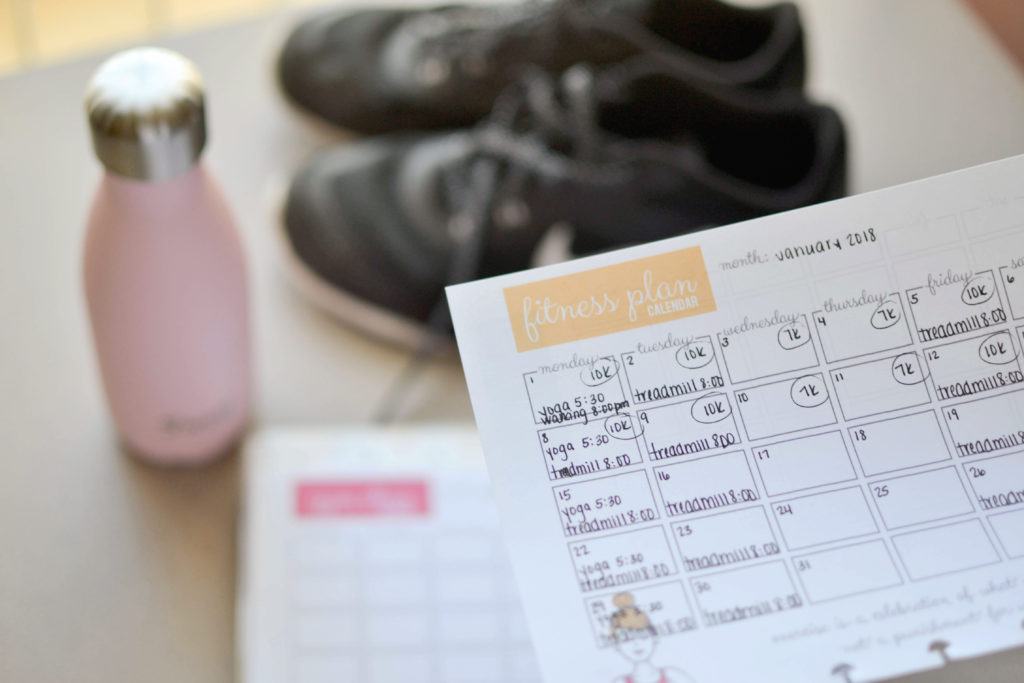
Whether you prefer traditional paper journals, customizable digital spreadsheets, or advanced mobile tracking platforms, the true value of a fitness planner lies in how effectively it structures your routines, tracks your physical performance, and aligns your daily nutrition with long-term goals. Understanding the fundamental components of an exceptional planning system allows you to build a routine that actually lasts.
The Structural Pillars of an Effective Fitness Planner
A well-constructed fitness planner does not simply record what you did; it directs what you should do next. To bridge the gap between effort and actual physical adaptation, an effective planning framework must incorporate four distinct structural pillars.
Progressive Overload Tracking
The human body adapts exclusively to progressive demands. If you lift the same weight for the same number of repetitions indefinitely, your progress will stall. A high-performance fitness planner must dedicate clear, dedicated fields for key variables: target sets, executed reps, exact load weight, and Rate of Perceived Exertion (RPE). By reviewing prior session performance before setting foot on the gym floor, you establish exact numerical targets for every workout, ensuring continuous strength and muscle growth.
Integrated Nutritional Logging
Training represents only half of the physical transformation equation. Without proper fueling and recovery tracking, intense workouts yield diminishing returns. The best fitness planning frameworks seamlessly link workout output with dietary input. This includes tracking daily caloric intake, target macronutrient ratios (proteins, carbohydrates, and fats), and hydration levels. Having these metrics side-by-side reveals crucial trends, such as how specific pre-workout meals impact energy levels or how inadequate protein intake affects muscle recovery times.
Recovery and Readiness Scoring
Hard training creates the stimulus, but rest builds the physical adaptation. A planner that only focuses on high intensity without accounting for systemic fatigue often leads directly to burnout or injury. Including daily readiness metrics—such as sleep quality ratings, resting heart rate, stress levels, and muscle soreness indexes—helps you make informed modifications. When your recovery metrics flag high fatigue, your planner should guide you toward deload sessions or active recovery rather than unnecessary strain.
Periodization and Goal Mapping
Short-term consistency relies heavily on long-term context. Effective planners break grand physical ambitions down into structured, digestible timelines.
- Macrocycles (6 to 12 Months): High-level annual objectives, such as preparing for a marathon, entering a muscle-building phase, or achieving significant body re-composition.
- Mesocycles (4 to 8 Weeks): Focused training blocks designed around specific physiological traits, like hyper-trophy, maximum strength, or endurance conditioning.
- Microcycles (1 Week): Daily action plans specifying exact exercises, precise movement tempos, rest intervals, and prescribed nutritional targets.
Form Factors: Paper Notebooks vs Digital Applications
Choosing the right format for your fitness planner comes down to matching your personal workflow and daily environment. Neither format is inherently superior; rather, each offers distinct operational advantages.
+------------------------+---------------------------------------+---------------------------------------+
| Feature Comparison     | Paper Fitness Planners                | Digital Fitness Applications          |
+------------------------+---------------------------------------+---------------------------------------+
| Tactile Experience     | High friction, intentional journaling | Screen-based, rapid quick-logging     |
| Data Analytics         | Manual calculations & hand graphing   | Automated graphs & historical trends  |
| Adaptability           | Rigid layout, limited blank space     | Dynamic exercise swapping & templates |
| Distraction Level      | Zero digital notifications or alerts   | High risk of phone screen distraction |
| Long-term Archiving    | Physical shelf storage required       | Cloud-synced, search-indexed data     |
+------------------------+---------------------------------------+---------------------------------------+
Paper journals offer a deliberate, low-distraction environment. Writing down weights and reps by hand creates a mental pause that helps keep you focused purely on the session at hand. However, paper planners require manual calculations when reviewing multi-month strength trends or computing total volume loads.
Digital tools excel at immediate data manipulation, dynamic progression calculations, and automatic long-term trend visualization. While app notifications can introduce phone-based distractions during rest periods, the ability to rapidly search past logs, swap exercises on the fly, and view strength curves makes digital setups exceptionally efficient.
Designing Your Customized Fitness Planning Routine
To maximize the benefits of your planner, set up a consistent system for logging and reviewing your data. Arbitrary entries lead to fragmented insights, whereas a standardized routine turns raw data into actionable progress.
- Pre-Session Preparation: Open your planner before starting your workout. Review the exact weights and rep targets logged during your previous session, establish clear performance benchmarks for the day, and set required rest periods.
- Real-Time Intraworkout Logging: Record your sets immediately after completing them while rest timers are active. Avoid waiting until the end of the entire workout to log your numbers, as memory gaps drastically reduce data accuracy.
- Post-Session Reflection: Conclude every training session with a quick 30-second qualitative assessment. Note any joint discomfort, rate your overall session exertion on a 1-to-10 scale, and log key recovery markers.
- Weekly Audit and Adjustments: Reserve 10 minutes every Sunday to audit your weekly progress. Calculate total volume load across major muscle groups, compare average body weight trends against caloric targets, and make necessary adjustments to the upcoming week’s prescriptions.
Conclusion
The best fitness planner is ultimately the one you use consistently. Fancy layouts, complex app algorithms, and premium leather-bound journals are useless if they are too cumbersome to maintain during an intense training session. By anchoring your planning strategy around progressive overload tracking, comprehensive nutritional alignment, and honest recovery assessment, you eliminate guesswork from your physical development. Treat your planner as a living, evolving blueprint of your health journey—keep the logging process simple, stay disciplined with your updates, and let real, verifiable performance data guide your path toward long-term strength and vitality.